Modern science is only now catching up with something Christian churches have quietly honoured for centuries: the transformative power of fasting. Your nutritionist's diet plans, your doctor's advice to cut red meat and milk for cholesterol, the wellness advocate's plant-heavy regimes – all these modern trends are simply rediscovering an ancient truth. They retrace the core of the Christian fast: that how we eat is a matter not just for the body, but for the entire soul.
Many Christian traditions observe fast periods. Yet, among all, the Eastern Orthodox Church stands apart in both length and dedication. Altogether, they add up to between 180 and 220 days a year. Why the long haul? How is an Orthodox fast different from a Catholic one, and across the Eastern churches? And what is the thinking behind the tradition?
Long before the Great Schism divided the Church in 1054, fasting was already a foundation of spiritual life shared by all Christians. Prophets, apostles, and Christ Himself practised voluntary abstinence to strengthen faith, cultivate humility, and prepare the soul to meet God. Saint John Chrysostom, honoured in the East and West, makes this clear in his Homilies on Matthew's Gospel: "When you fast, anoint your head and wash your face, so that you do not appear to men to be fasting, but to our Father who is in secret." True abstinence is about so much more than simply skipping meals.
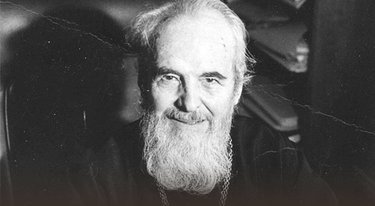
Christians still affirm what we might call the "three legs of discipline": abstinence, worship, and almsgiving. Each leg holds up the whole; remove one, and the structure collapses. "Fasting without prayer is only dieting," explains Father Alexander Schmemann, among Orthodoxy's most influential twentieth-century thinkers. "Yet fasting with prayer heals the soul." Bishop Robert Barron expresses this wisdom from the Catholic perspective: "The three classical spiritual disciplines are designed to awaken us from our sleep."

When we abstain without turning our hunger towards Christ, we are just counting calories. If we pray but do not share what we have, we risk becoming little more than spiritual hoarders. And if we give to others but it does not cost us anything, our charity can feel a little hollow – as if we are simply writing a cheque from our surplus instead of sharing from our lack.
During the Orthodox Lenten weeks, this triple link comes alive: daily services increase sharply, drawing believers into deeper communal worship. Catholics meet this with stronger devotions, such as following the Stations of the Cross and urging more regular Mass attendance. This prayerful self-denial naturally spills over into helping others.
Yet, perhaps the hardest fast of all is not from eating, but from sin, from destructive ways of thinking and behaving. This "fasting from sin" runs right through the whole Orthodox Lenten path. It is expressed in the Prayer of Saint Ephraim the Syrian, which is said every day with full prostrations: "Lord, grant me to see my own sins and not to judge my brother... Deliver me from the spirit of sloth, despair, lust for power, and idle talk."
Before Lent even starts, Orthodox "Forgiveness Vespers" call the faithful to put aside grievances and face up to the inner gnawing of resentment. After evening prayers, everyone present – from the priest to the latest newcomer – bows before each person, asking pardon for any hurt caused. Catholics seek similar inner cleansing through more frequent confession and Pope Francis's direct challenges: "Fast from judging others, fast from speaking ill, fast from anger." However, the Orthodox focus on starting with mutual pardon makes plain what can sometimes stay hidden: the mouth that fasts from food must also fast from tearing down others. As Father Thomas Hopko wisely notes, "We turn from food precisely to learn to turn from sin. The stomach is simply the training ground for the soul."

Imagine two neighbours during the Lenten period somewhere in suburban Chicago. Maria, who is Russian Orthodox, checks her church calendar app before her shopping run – it is Wednesday in the third week, meaning no meat, milk, fish, or oil. She will cook lentil soup tonight. Next door, Catholic Tom picks up a burger lunch without a second thought. Since it is not Friday, he is good to go.
For Tom, the Catholic rules in America are straightforward. Two types of obligation exist: fasting (one full meal plus two smaller ones that together do not equal a full meal) and abstinence (no meat). Fasting applies only to Ash Wednesday and Good Friday for those aged 18–59. Abstinence from meat is practised every Friday during the Lenten weeks plus those same two days, and everyone 14 and older must join. Serious illness, heavy labour, or pregnancy automatically exempts you. That is the baseline for all American Catholics, though Benedictine monks down the road might follow stricter mediaeval customs.
Interestingly, Catholics elsewhere meet tougher requirements. In Poland, vigils of major feasts remain meatless. Nigerian Catholics abstain from meat every Friday year-round. The Philippines keeps both practices. However, even these stricter national routines pale beside Eastern Christian fasting.
Maria's Eastern Orthodox tradition – shared broadly across Greek, Russian, Serbian, and other Eastern churches – presents fasting not as minimum legal requirements, but as a monastic ideal offered to everyone. The full calendar includes four major seasons: Great Lent (seven weeks), the Nativity Fast (40 days before Christmas), the Apostles' Fast (variable length in June), and the Dormition Fast (two weeks in August). Add most Wednesdays (betrayal day) and Fridays (crucifixion day) year-round, and one is looking at roughly 180–200 fasting days annually.
Fasting in the Eastern Orthodox way involves varying degrees of strictness by day and season. During Great Lent's weekdays, the ideal means no meat, milk, eggs, fish, oil, or wine. Oil and wine may be permitted at weekends. During the lighter Nativity Fast, fish is allowed on many days. Holy Week before Easter ranks strictest of all. The Coptic Orthodox push even further with their 210-day annual total, while Ethiopian Orthodox Christians observe additional fasts unique to their tradition, reaching up to 250 days.
Eastern fasting practices are adjusted through "economia" – pastoral discretion. The church presents the full monastic rule; then each believer works with their priest or spiritual father to determine what is spiritually beneficial and physically possible. A diabetic, a nursing mother, or someone recovering from surgery discusses adjustments with their spiritual guide. This personalised approach means two Orthodox believers might follow quite different practices while attending the same liturgy.
Both Tom and Maria would insist fasting is not about the diet – it is about worship, self-discipline, and charity. However, Tom's Catholic tradition is streamlined and simplified; Maria's Orthodox tradition is steeped in complexity. Whether that complexity enriches or burdens depends on whom you ask – and probably on which day of the Lenten fast you ask them.

The difference between Maria's strict Wednesday fast and Tom's relaxed burger meal points to significant theological distinctions between Eastern and Western Christianity that have evolved over centuries.
One is the Catholic teaching on original sin, formalised at Trent: mankind inherits both the effects and a wounded nature from Adam's sin, though not personal guilt for his act. In this approach, penance and spiritual discipline, including fasting, help restore the soul's proper ordering toward God. In the Orthodox view, we inherit mortality and our inclination towards wrongdoing, but not Adam's guilt. When the Orthodox – Coptic, Greek, or Russian – turn from eating, they see it more as a spiritual medicine, so that the soul may be healed, repentant, humble and ready to meet God in the sacraments. As Saint Seraphim of Sarov taught: "Prayer, self-denial, keeping watch and all other Christian works, however fine themselves, are not our life's goal: they are simply vital tools to reach it. For the true purpose is gaining the Holy Spirit."
Moreover, where the Western Catholic tradition also emphasizes the Church as the Body of Christ, Orthodox believers particularly stress fasting as a shared effort across all their churches. Metropolitan Kallistos Ware writes: "When we fast, we do it not alone but as Christ's Body, joined to all other members." The Orthodox vision of catholicity means being saved is a communal endeavour. We are rescued as one body or not at all. This explains why Maria consults her church app – she is joining millions worldwide, from Ethiopian farmers to Russian programmers. As Saint Basil the Great taught: "Let the whole city fast... let every age group abstain, every class, every calling."

The distinctions between Eastern and Western Christian fasting traditions reflect fundamentally different theological emphases rather than mere cultural preferences; yet among the Eastern churches themselves, variations are largely matters of custom. The Greek Orthodox may permit olive oil on certain days when the Russian Orthodox prescribe dry eating; the Antiochian tradition might allow fish during the Apostles' Fast while others restrict it. Even the calendar dispute, which sees some churches fasting according to the Julian calendar and others the Gregorian, is understood as an administrative rather than doctrinal division. These differences rarely provoke theological controversy – all accept the same fundamental fasting principles and recognise each other's practices as legitimate.
The Russian Orthodox Church still keeps the old Julian calendar that runs thirteen days behind the Western world and maintains one of Christianity's most complex fasting systems. The four major periods include Great Lent (48 days when accounting for the preparatory weeks), the Apostles' Fast (variable, lasting from eight days to six weeks depending on Easter's date), the Dormition Fast (14–27 August [Julian: 1–14 August], and the Nativity Fast (40 days). Together with Wednesdays and Fridays and special vigils, Russians theoretically fast nearly 200 days annually.


The Russian Typikon prescribes five distinct levels of strictness, from complete abstinence until evening to simple meat avoidance. During Great Lent's first week and Holy Week, the most devout practise "xerophagy" – eating only uncooked vegetables, bread, water, and salt. The middle weeks allow hot meals without oil on Tuesdays and Thursdays, while weekends permit wine and oil. Fish appears only twice during all of Lent: on the Annunciation and Palm Sunday. Uniquely, the Church also specifies that mushrooms count as permitted fare – which explains the popularity of mushroom dishes in Russian Lenten cuisine.
This year's Nativity Fast began on 28 (15) November 2025, and continues for 40 days until the Feast of the Nativity on 7 January (25 December) 2026. During these 40 days, the Orthodox abstain from meat, milk products, fish, wine, and oil, though the strictness varies by day. Fish is permitted at weekends, as well as on major feast days such as the Entry of the Theotokos into the Temple on 4 December (21 November). Wine and oil are also allowed on weekends. The fast intensifies after 20 December (7 December), when even fish is prohibited on weekends. The fast serves both as physical discipline and spiritual preparation, encouraging increased worship, almsgiving, and participation in the divine services leading to the Nativity.
In the Russian Orthodox Church, Great Lent properly lasts forty days, beginning on Clean Monday and ending on the Friday before Lazarus Saturday. The fasting then continues through Lazarus Saturday and Palm Sunday and reaches its climax in Holy Week, concluding with the Paschal (Easter) Vigil.
Four pre-Lenten weeks prepare the faithful. Meatfare Week ends in Meatfare Sunday, after which meat is no longer eaten. The following Cheesefare Week removes meat but permits dairy and eggs. After Forgiveness Vespers on Cheesefare Sunday, Clean Monday opens the full Lenten fast.
According to the traditional rule, weekdays in Lent call for abstinence from meat, dairy, eggs, fish, wine, and oil. On Saturdays and Sundays, wine and oil are permitted. Fish is allowed only on the Annunciation and Palm Sunday. Monastic communities often take one meal after Vespers on strict days.
The fast ends after the midnight Paschal liturgy. In Russian practice, the first festive foods are blessed and shared: red-dyed eggs, kulich (Easter bread), and sweet cheese paskha, followed by the broader celebratory meal.
The fast begins on the Monday after All Saints' Sunday (the week after Pentecost) and continues until 12 July (29 June), the Feast of Saints Peter and Paul, making its duration variable (roughly 8–42 days) depending on the date of Pascha. Wednesdays and Fridays are the strictest days: the faithful abstain from meat, dairy, and eggs, and many also refrain from fish, wine, and oil. On other weekdays, the fast relaxes slightly – fish is commonly permitted, and oil and wine may be taken – while Saturdays and Sundays allow wine and oil. This brings to the table classic Russian Lenten fare: mushroom and buckwheat dishes, cabbage and potato soups, pea and bean stews, bread and fruit; on fish‑allowed days, baked or stewed fish appears. Families share simple, meat‑free meals that keep the spirit of the fast without excess.
The Dormition Fast, one of four major fasting periods in the Russian Orthodox Church, begins on 14 August [Julian: 1 August] and concludes on 27 (14) August with the Feast of the Dormition of the Theotokos, lasting exactly two weeks. Unlike Great Lent, this fast has no preparatory weeks and begins immediately after the feast day of the Procession of the Cross. The fasting rules are particularly strict on Wednesdays and Fridays, when believers abstain from meat, dairy, eggs, fish, oil, and wine, limiting themselves to uncooked vegetables, fruits, nuts, and bread. The fast is notably relaxed on 19 August [Julian: 6 August] for the Feast of the Transfiguration, when fish, wine, and oil are permitted – a day when Russian Orthodox Christians traditionally bless apples and grapes at church, earning it the folk name "Apple Feast of the Saviour." On other days, hot meals with oil are generally allowed, making the Dormition Fast less severe than Great Lent but still requiring considerable spiritual discipline as believers prepare to commemorate the Mother of God's passing into eternal life.

In Russian Orthodox tradition, Wednesdays and Fridays are observed as fasting days throughout the year, commemorating Christ's betrayal by Judas and His crucifixion respectively. These weekly fasts are suspended only during "fast-free weeks," such as Bright Week following Pascha, the week after Pentecost, and the period between Christmas and Theophany. During the four major fasting periods, Wednesdays and Fridays typically become the strictest days, often requiring dry eating with only uncooked food, bread, water, and raw vegetables permitted. Outside these periods, the Wednesday and Friday fasts are considerably more relaxed: believers abstain from meat and dairy products but may consume fish, seafood, wine, and cooked meals with oil.

The Greek Orthodox Church's relationship with calendars alone sets it apart – they follow the Revised Julian calendar for fixed feasts but calculate Easter using the old method. Greek fasting periods are mostly similar to Russian ones in name. Greeks fast for Great Lent (technically 40 days plus Holy Week), the Apostles' Fast, the Dormition Fast (1–14 August on their calendar), and a shorter Advent (40 days but with numerous "fish allowed" days).
Greek practice is remarkable for its intricate categorisation system. During regular fast days, Greeks distinguish between fish with backbones (forbidden), shellfish (generally permitted), and cephalopods such as octopus and squid (allowed). This creates the uniquely Greek phenomenon of seafood restaurants packed during Lent, serving everything from grilled squid to lobster – a shocking diet for a Russian or Ethiopian faster. The Greeks also brought up the concept of "wine and oil" days during Lent (at weekends), when olive oil and a glass of wine become permissible.

Living by the ancient Alexandrian calendar, the Coptic Church of Egypt maintains over 210 fasting days annually, including several fasts unique to their tradition. Beyond the standard Great Lent (55 days in Coptic counting), they observe the three-day Fast of Nineveh preceding Lent by two weeks – a practice unknown to European Orthodox churches. Their Advent fast stretches to 43 days, longer than anyone else's, and they add the Fast of the Virgin (15 days in August) with particular devotion.
Coptic fasting routine makes no accommodations for seafood – when Copts fast, they eat only vegetable meals. No fish means no fish, regardless of backbone, and shellfish holds no special exemption. During the strictest periods, particularly Holy Week and the first week of Great Lent, many Copts practise "first degree" fasting: no eating or drinking until evening, sometimes as late as sunset. The second degree permits water without eating until 3 p.m., while the third degree – standard for most of Lent – requires abstinence until noon. Even on "lighter" days, when eating times relax, the prohibition against all animal products remains absolute. Uniquely, Copts specify that beer and fermented drinks are forbidden during fasts, while Greeks and Russians permit wine on certain days.

Ethiopian Orthodox Christians follow their ancient calendar, which runs seven to eight years behind the Gregorian system, and observe approximately 250 fasting days annually – the most of any major Christian denomination. Their periods include the Great Fast (55 days), the Fast of the Apostles (variable, 10–40 days), the Fast of the Assumption of Mary (15 days), and multiple shorter fasts unknown elsewhere: the Fast of Nineveh (three days), the Fast of the Flight to Egypt (one day), and, remarkably, every single Wednesday and Friday without the exceptions allowed by other Churches.
Ethiopian practice is remarkable for its emphasis on timing. It recognises no sliding scale of strictness, as in the Russian Orthodox Church, and dismisses the Greek seafood compromises. Instead, Ethiopians take an either-or approach: one is either fasting or not. During a fast, no animal products are allowed, and the laity can eat nothing at all before 3 p.m. (priests often wait until evening worship ends around 6 p.m.). This afternoon breaking of the fast, called "drinking water", comes to replace lunch during fasting periods. The Ethiopian Church uniquely prohibits not just animal products but also grape products during certain fasts, meaning no wine or even raisins.

Across the divides of East and West, Christian fasting speaks a single, powerful language. It is a spiritual discipline aimed not at the waistline, but at the soul. Yet it is also becoming a battleground, clashing directly with a modern secular society fixated on culinary adventure and instant gratification. In a world that no longer understands its language, any restraint offered to Christ is either dismissed as self-harm or repackaged as a lifestyle choice, deprived of its divine purpose.
Nowhere is this challenge more seductive than in the rapid rise of veganism and anti-consumerist movements. By making plant-based fare entirely normal, they create an outward appearance that resembles Orthodox habits. Yet these secular observances set up a spiritual trap for us, as they are fully centred on the self – whether for health, ethical satisfaction, or personal identity. They tempt the believer to adopt the world's "what" while forgetting the Church's "why." The world is quite prepared to accept giving up meat for the sake of the planet or the body, but not for the sake of the soul.
For the Orthodox Christian, the answer lies in returning to the fast's true purpose: a spiritual remedy that heals the soul and prepares it to meet God. That way, fasting will bring true freedom. Cutting out dairy frees you from endless choices, and fixed Wednesday and Friday meals reveal how much mental energy constant decisions consume. This liberation shines brightest at Easter breakfast, the joyful reward after many Lenten Fridays. In a culture that presses for instant satisfaction of desires, fasting becomes a counter-cultural path that removes all things that stand between our soul and the Lord and brings us inner peace.