We use cookies to analyze and improve the website and your user experience. By clicking "Accept," you agree to our Cookie Policy.
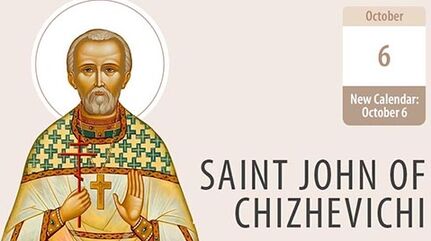
Explore how faith, family traditions, and Church service intertwined amid exile and hardship, highlighting Saint John of Shanghai’s role in guiding a Russian Orthodox family’s spiritual life abroad.
An inspiring story of Lavrishevo’s rich heritage, centuries of dedication and touching miracles that continue to draw scores of pilgrims and renew hearts.
St. Paulinus was simple and compassionate. He came out of the peasantry and became an archbishop. His cuff is kept as a great shrine in the Novospassky Monastery where he was once tonsured a monk.
The Kazan Icon of the Mother of God is not just a rallying point for armed resistance to a foreign enemy. Rather, it is an inspiration for all of us to confront the enemy within ourselves.
People recognised Grand Duchess Elisabeth as a saint even during her lifetime. Her path to Heaven was illuminated by great contemporaries, later glorified by the Church.
Believers invoke the icon praying for the help of the Holy Theotokos in meeting their basic needs, avoiding droughts, gathering a good crop, and daily sustenance. Saint Ambrose of Optina left us his short prayer before this icon.
The love of the Mother of God for us sinners is not easy to comprehend, but God has given us Her holy icons so we may not forget how much She loves us as we go about our daily business.
Halloween is rooted in ancient pagan practices, and these roots are not harmless; they carry a deep resonance with the demonic. The veneration of fear, horror, and the macabre can never bring glory to God.
The Optina Monastery is a famous stauropegion of the Russian Orthodox Church, located in the Kaluga region. A stauropegion is a church or monastery exempt from the jurisdiction of the local bishop and directly subject to the highest authority…
Through Her icons, the Jerusalem Mother of God extends Her prayerful embrace across Russia. And everywhere, in answer to the fervent prayers of the faithful, miracles blossom.
Korsun is an ancient Greek city-state, or Polis, established on the Southwest coast of the Crimea. Years later, it became known as Khersones. Byzantians called it Kherson, while it remained Korsun for the Slavs.
The Belarusian land is blessed with a rich tapestry of sacred relics, and among them, the Mother of God's holy icons shine with radiant grace. One such image, the Krasnostok icon, holds a special place in the hearts of believers.
The Mother of God, whom we call the fast helper, protectress of sufferers and joy of the sorrowful, is quick to hear our pleas and answer them - as long as they come deep from our hearts.
The icon of the Most Holy Theotokos “Joy of All Who Sorrow" teaches us, powerfully, that God’s mercy is found in the places we least expect: in our pain, in our loss, and even in our grief.
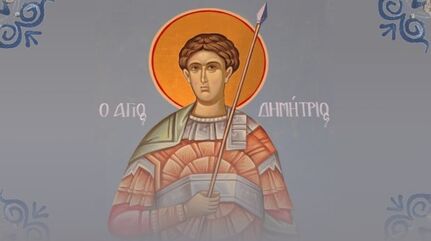
The call to faithful love, even amidst persecution, is beautifully embodied in the life of Saint Demetrios of Thessaloniki. Born in the third century, Demetrios was an esteemed Roman officer and a man of great faith.
The lives of the Optina Elders offer us an example of sacrificial love. They lived not for themselves, but for others, bearing the burdens of their spiritual children and giving of themselves entirely in love.
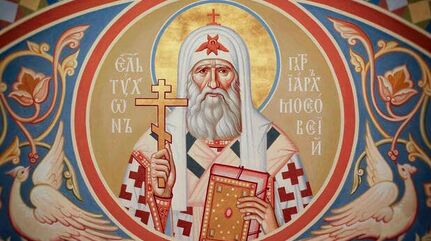
Learn why Patriarch Tikhon's quiet strength still resonates with Christians everywhere. This article reveals how his actions, under relentless pressure, offer hope and guidance for facing modern challenges.
Bishop John’s warmth and discipline inspired children, healed the sick, and comforted the suffering. Find inspiration his lessons in kindness, humility, and selfless love that remain powerful for believers today.
The lives of the new saints bring alive to us our recent history, with which their lives were intertwined so closely. They stood up for the truth and faith and followed Christ into eternity. They show us the way that we must all follow.
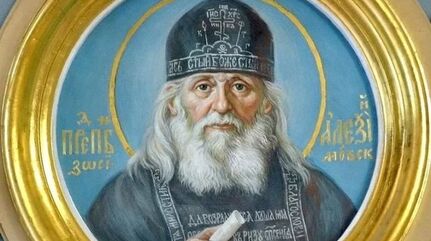
Trace St Alexy of Zosima’s journey from priest’s son to wonderworking elder, as he inspires readers with lessons in humility, forgiveness, and the quiet strength of prayer.