We use cookies to analyze and improve the website and your user experience. By clicking "Accept," you agree to our Cookie Policy.
There are quite a few Orthodox feasts that the faithful celebrate in summer every year. However, one of them definitely stands out to a lot of people. It is the Feast of the Transfiguration of Jesus Christ.
On August 19th (August 6th according to the Gregorian calendar), we celebrate another very special Great Feast of the Orthodox Church - the feast of the Transfiguration of our God, Lord and Savior Jesus Christ.
At the beginning of the Dormition Fast, a liturgy and a holy cross procession on the second-highest point in Belarus has become our good tradition. It reminds the people of their ascent to heaven, it calls on them to rise above their everyday…
We share a newly prepared English rendering of St Silouan the Athonite’s On the Mother of God — from the writings of St Silouan. In it, St Silouan contemplates Her immeasurable love and Her sorrow at the Cross.
Saint Righteous Anna stands in our Church as a miracle of faith and patience, a striking example of trust in God and His divine care. The Lord does not choose the mighty and the wise, but those who give themselves to Him without reserve.
Countless pilgrims from the farthest corners of the land continue to travel along the well-trodden path, coming to venerate the sacred relics of God’s beloved servant, trusting in the powerful prayers of this intercessor, now glorified by the…
Find how St Panteleimon’s compassion, miraculous healings, and deep faith in Christ turned suffering into victory. Gather strength to face your own trials with hope and a heart open to God’s mercy.
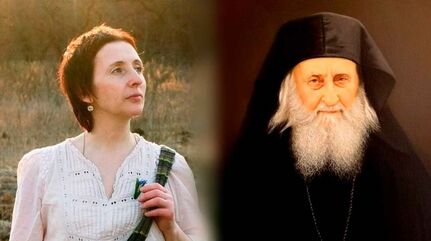
These words were spoken to me by Ekaterina Polyakova. She is the mother of five children, the daughter of an artist, the wife of an iconographer, and an English teacher.
Those heartfelt hymns guide generations. Discover the profound journey behind the Great Canon of Repentance and learn how St Andrew of Crete’s works can transform your spiritual life and deepen your relationship with God.
Encounter the extraordinary life of St Maximus the Greek, who transformed from renowned scholar to unjust prisoner and spiritual mentor. Let his life inspire you to seek truth and serve others with courage and purpose.
St Seraphim’s humility, miracles, and warmth transformed Russian monasticism and continue to touch believers worldwide. Find out how his example can enrich your spiritual journey and deepen your trust in God.
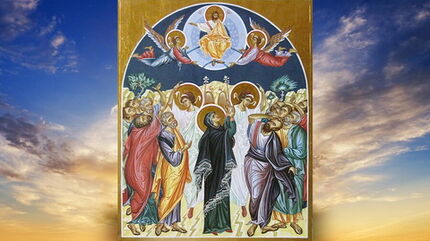
The Feast of the Ascension is past us, and the day the Holy Trinity is fast approaching. With the Lord, we have the plenitude of life, wherever we find ourselves - in a hospital ward, in a prison jail or in any other inhospitable location.
The Virgin, painted together with Her Son on a simple wooden panel, always welcomes the lost into Her arms. From days of old until now, She has served as a faithful helper of our frail and struggling human race.
Around 20 women live in the convent's farmstead now. They have all had rough patches in their lives: half of them have seen the inside of a prison cell, some have nowhere else to go, and plenty are wrestling with all sorts of addiction.
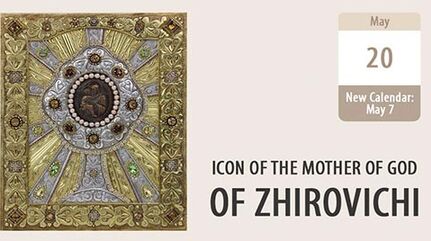
Many miracles of Her intercession for the Christian faithful have been attributed to it over centuries, and it has long taken a significant place in religious and civic life.
The feast of the Zhirovichi Icon of the Mother of God is celebrated on May 20. It is a special day for all Belarusians as the Zhirovichi Icon of the Mother of God is one of the most revered icons in our country.
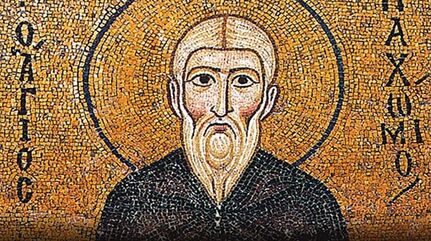
While the Church names St Anthony the Great the father of hermits, and St Macarius the Great the guide for skete-dwelling monks, it is St Pachomius the Great who stands as the foremost founder of communal monastic life.
Every year, when we commemorate the holy equals-to-the-apostles, the brothers Methodius and Cyril, Slavic peoples everywhere reflect on the dawn of their Christian life and cultural heritage.
Repentance is not measured by the length of time; its depth within the human heart determines its worth. It is the fruit of love that recognises its own unworthiness and longs for union with God.
Our congratulations go to all our women. We wish them to grow in their faith and success in their hard work to keep the peace in their families.